


Your website is often the first place potential customers learn about your business. Before calling, requesting a quote, or booking a service, people want to know what you offer, whether they can trust you, and how easily they can get in touch. If your website is outdated, slow, or difficult to use, you could be losing customers without realizing it.
For many local businesses, Website Development in Austin, Texas is not just about having a modern-looking website. It is about creating an online experience that builds trust, supports search visibility, and turns visitors into real inquiries.
But how do you know when your existing website needs an upgrade? Here are seven warning signs that it may be time to invest in a new business website.
1. Your Website Looks Outdated and No Longer Reflects Your Business
Your website should represent the quality and professionalism of your business. If it still has an old design, outdated images, inconsistent colors, or cluttered layouts, visitors may question whether your company is keeping up with its customers’ expectations.
An outdated design can also make important information harder to find. Small text, crowded sections, confusing menus, and unclear buttons create a poor first impression.
Consider a local Austin contractor whose business has grown over the past few years. The company now offers several services and has built a strong reputation, but its website still looks like it did when the business first started. The website no longer represents the quality of work customers can expect.
What should you look for?
- An old-fashioned layout that does not match your current branding.
- Poor-quality or outdated images.
- Inconsistent fonts, colors, and spacing.
- Missing information about your latest services.
- A design that makes your business look less professional than it is.
A website redesign can help refresh your brand, improve the visitor experience, and present your business more professionally.
2. Your Website Is Difficult to Use on Mobile Devices
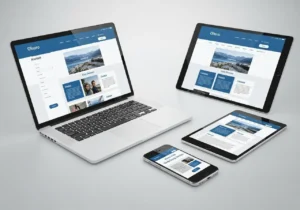
A business website should work smoothly on smartphones, tablets, and desktop computers. When visitors open your website on a phone, they should be able to read information, explore services, and contact you without zooming in or struggling with the layout.
A website that only looks good on desktop screens is likely missing opportunities to connect with mobile visitors.
Imagine someone in Austin searching for a nearby plumbing company while dealing with an urgent issue. They find your website, but the phone number is difficult to tap, the text is too small, and the contact form does not fit the screen properly. They may simply return to Google and contact another company.
Your mobile experience should include:
- Readable text without unnecessary zooming.
- Buttons that are easy to tap.
- Simple navigation and accessible menus.
- Properly sized images that do not break the layout.
- Contact information that is easy to find.
Responsive design should be a basic part of modern website development, not an extra feature. A mobile-friendly website makes it easier for potential customers to take action whenever they find your business.
3. Your Website Loads Slowly or Has Performance Problems
Website speed directly affects how people experience your business online. Visitors do not want to wait for large images, broken animations, or pages that take too long to become usable.
Slow performance becomes especially frustrating when customers are browsing from mobile devices or using weaker internet connections.
However, speed is not just about how quickly your homepage appears. A website may load its main image quickly but still feel unresponsive when someone opens a menu, clicks a button, or fills out a form.
Google recommends monitoring three Core Web Vitals:
- Largest Contentful Paint (LCP): Aim for 2.5 seconds or less.
- Interaction to Next Paint (INP): Aim for less than 200 milliseconds.
- Cumulative Layout Shift (CLS): Aim for a score below 0.1.
These are Google’s recommended thresholds for a good user experience, not guarantees of higher rankings. You can check your website using Google PageSpeed Insights and review the official Core Web Vitals guidance.
A professional website development project should consider optimized images, efficient code, reliable hosting, and unnecessary plugins or scripts that may affect performance.
4. Visitors Cannot Find Your Services or Important Information
A good website should make it easy for visitors to understand what your business offers and where they should go next. If people have to search through several pages just to find your services, pricing information, business hours, or contact details, your website needs attention.
Poor navigation can affect both user experience and your ability to generate inquiries.
For example, a home improvement company may offer kitchen remodeling, bathroom renovations, flooring installation, and other services. If everything is placed on one crowded page, customers may struggle to find the specific service they need.
A better website structure should include:
- Clear navigation menus.
- Separate pages for important services.
- Descriptive headings and page titles.
- Easy access to contact information.
- Clear calls to action throughout the website.
This structure also helps search engines understand the relationship between your pages.
For local businesses, it is useful to make your service areas clear wherever they genuinely apply. Someone searching for a particular service in Austin should be able to understand whether your company serves their location.
5. Your Website Gets Traffic but Does Not Generate Enough Leads
Getting visitors to your website is only part of the job. Your website should also encourage those visitors to take meaningful action, such as calling your business, requesting a quote, or submitting a contact form.
If your website receives traffic but produces very few inquiries, there may be a problem with its content, layout, or conversion process.
Some common problems include:
- No clear call-to-action buttons.
- Contact forms that ask for too much information.
- Missing phone numbers or email addresses.
- No customer reviews or other trust signals.
- Service pages that do not explain why customers should choose you.
- Unclear descriptions of what happens after someone submits an inquiry.
Start by checking your website analytics. Look at which pages receive visitors, how users navigate between them, and which pages generate calls or form submissions.
For example, if a service page receives visits but very few inquiries, consider whether the page clearly explains the service, answers common questions, and provides a convenient way to contact your team.
You can also explore our guide on fixing a website that gets traffic but no calls for more practical conversion improvements.
A new website should not simply look better. Its layout and content should guide visitors toward the next step.
6. Your Business Has Changed, but Your Website Has Not
Businesses grow, introduce new services, expand their coverage areas, and adjust their goals. Your website needs to reflect those changes.
If your business has developed significantly since your website was created, the existing structure may no longer support your current needs.
For example, a local service business may have started with one main offering but later expanded into several specialized services. If the website still focuses on the original offering, potential customers may not discover everything the company provides.
The same problem can happen when a company expands into new service areas or begins targeting a different audience.
Consider updating your website when:
- You have introduced new products or services.
- Your existing pages no longer explain your business accurately.
- You need new features such as online booking or quote requests.
- Your current website cannot support additional service pages.
- Your branding, business goals, or target customers have changed.
Your online presence should grow alongside your business. A flexible website makes it easier to introduce new services, publish helpful content, and expand your digital marketing efforts without rebuilding everything whenever your business changes.
7. Updating Your Website Has Become Difficult or Unsafe
Sometimes the problem goes beyond design. Your website may be running on an outdated platform, using unsupported software, or relying on too many plugins and temporary fixes.
These issues can create security risks, compatibility problems, and ongoing maintenance difficulties.
For example, you may want to add a booking system, update a service page, or improve your contact form, but your current website cannot handle the changes without breaking another feature.
Pay attention to warning signs such as:
- Software or plugins that no longer receive security updates.
- Regular website errors or broken functionality.
- Difficulty updating basic content.
- Compatibility problems after software updates.
- Features that cannot be added without expensive workarounds.
Website security should never be overlooked. Keep your content management system, themes, and plugins updated, use SSL protection, and maintain reliable backups.
In some cases, professional maintenance and targeted repairs may solve these problems. In others, rebuilding the website on a more suitable platform may be the more practical long-term decision.
When Is Website Development in Austin, Texas Worth the Investment?
Not every outdated website needs to be replaced completely. Sometimes a redesign or a few targeted improvements can solve the main problems.
However, when your existing platform, website structure, performance, or functionality is holding back your business, a complete rebuild may make more sense.
Before making a decision, review these important areas:
- Website performance: Are your important pages loading and responding properly?
- Mobile experience: Can visitors easily use your website on different screen sizes?
- SEO foundation: Are your important pages indexed, organized, and connected through relevant internal links?
- Lead generation: Can visitors easily call, request a quote, or contact your team?
- Future growth: Can the website support the services and features you plan to introduce?
You should also protect the SEO value of your existing website. Before replacing pages or changing URLs, review your Google Search Console data, identify valuable pages, and prepare appropriate redirects for URLs that will change.
For a closer comparison of both approaches, read our guide on website redesign vs. building a new website for your Austin business.
A properly planned development project should improve the website without unnecessarily losing the value of your existing content and search visibility.
Ready to Improve Your Business Website?
Your website should help your business build trust, attract potential customers, and generate new opportunities. When it starts looking outdated, performing poorly, or creating problems for visitors, it is worth reviewing whether improvements or a complete rebuild are needed.
At The Buzz Traffic, we help businesses build modern, responsive websites with clear navigation, strong functionality, and SEO-friendly foundations. Our goal is to create websites that do more than look professional—they should support your business growth.
Looking for professional website development in Austin? Contact The Buzz Traffic to discuss your website goals and find the right solution for your business.
Frequently Asked Questions
1. How do I know if my business needs a new website?
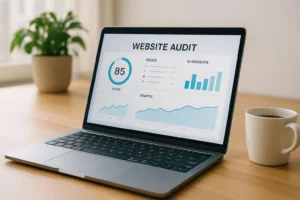
Consider a new website when your current one is outdated, difficult to use on mobile devices, consistently slow, hard to maintain, or unable to generate inquiries. Start with a website audit to identify the main problems. Some sites only need improvements, while others benefit from a complete rebuild.
2. How often should a business redesign its website?
There is no fixed redesign schedule that works for every business. Many companies review their websites every few years, but the actual need depends on performance, customer expectations, security, and business growth. Review your website regularly and make improvements when it no longer meets your goals.
3. Will a new website help my business rank higher on Google?
A properly developed website can support SEO through better site structure, mobile usability, page performance, crawlability, and helpful content. However, a new design alone does not guarantee higher rankings. Search performance also depends on competition, relevance, content quality, links, and other SEO factors.
4. How long does professional website development take?
The timeline depends on the website’s size, functionality, content, and design requirements. A straightforward business website may take a few weeks, while a larger project with custom features can take considerably longer. The Buzz Traffic’s website development service lists a typical project timeline of four to eight weeks for many custom websites.
5. What should a modern business website include?
A modern business website should include responsive design, clear service pages, simple navigation, visible contact information, effective calls to action, secure browsing, and an SEO-friendly structure. Customer reviews, relevant business information, and helpful content can also build trust and make it easier for visitors to choose your company.